Uncategorized
Are Muha Meds fake
Nov
The Muha Meds Mystery: A Deep Dive into Legitimacy, Legality, and Your Safety
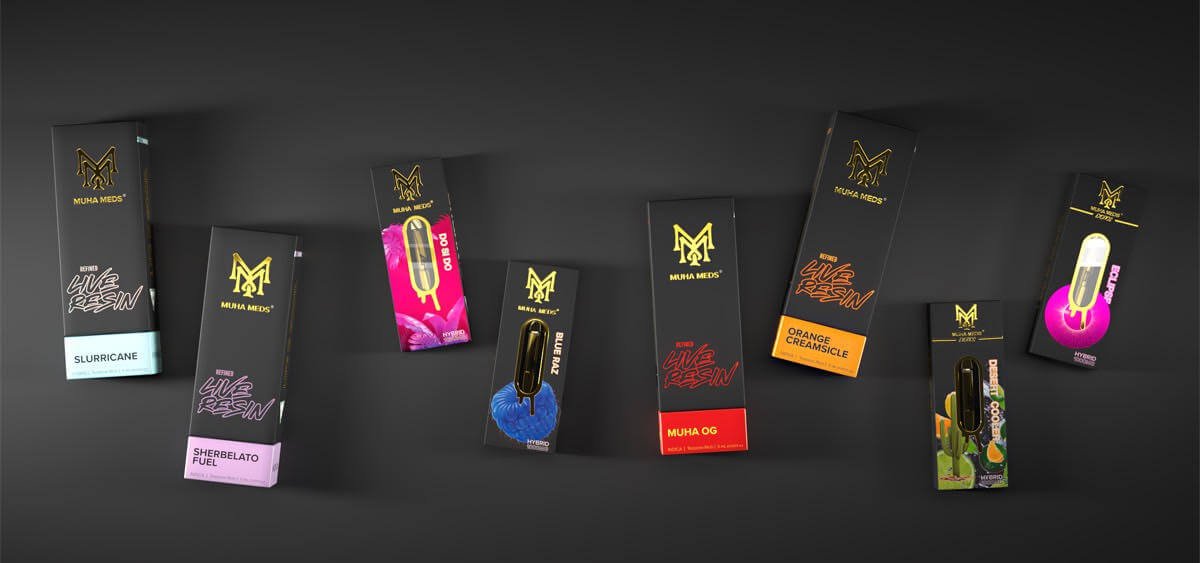
Scroll through any social media platform popular with cannabis enthusiasts, and you’ll see them: sleek, colorful, artfully designed Muha Meds packaging. The carts (cartridges) themselves promise a potent, flavorful experience, often named after popular strains or sweet treats. But beneath the glossy exterior and viral hype lies a question that has sparked countless debates in smoke shops, online forums, and among consumers: Are Muha Meds fake?
The answer is not a simple yes or no. It’s a complex issue tangled in the web of America’s evolving cannabis laws, the booming illicit market, and the critical distinction between “counterfeit” and “legitimately unlicensed.” This blog post will serve as your definitive guide, untangling the threads of the Muha Meds phenomenon to help you make an informed and, most importantly, safe decision.
Who (or What) is Muha Meds? Understanding the Brand’s Origins
To understand the controversy, we must first look at the brand’s origins. Muha Meds emerged several years ago, gaining rapid popularity in the California cannabis market. The brand was known for its distillate cartridges and, later, for venturing into live resin and other extract types.
Crucially, Muha Meds was, at one point, a licensed operator. They held licenses in California, meaning their products were produced in regulated facilities, tested for potency and contaminants, and sold through licensed dispensaries. During this period, a consumer purchasing a Muha Meds cart from a licensed L.A. dispensary could be relatively confident in its authenticity and safety.
However, the brand’s story took a dramatic turn. The company faced a series of legal and financial challenges, including lawsuits and issues with the California Cannabis Authority. Reports suggest they fell out of compliance, and their licenses were suspended or revoked in certain jurisdictions.
This created a perfect storm: a brand with high name recognition and consumer demand, but without the legal framework to supply the market adequately. Into this void stepped two powerful forces: the illicit market and counterfeiters.
The Two-Headed Beast: Illicit Market Operations vs. Counterfeiting
This is the core of the Muha Meds confusion. When people ask if they are “fake,” they could be referring to one of two very different things:
1. The “Grey Market” or Unlicensed Operations
This is the most common version of Muha Meds found today. These are products produced by the original company or its associates outside of the regulated, licensed system. They may use the same branding, similar hardware, and a similar manufacturing process, but they operate in the shadows.
The Critical Problem: Because they are unlicensed, these products are not subject to state-mandated lab testing. This means no one is checking for:
-
Pesticides and Heavy Metals: Cannabis plants are “hyperaccumulators,” meaning they easily absorb toxins from the soil. Untested products can contain dangerous levels of pesticides, fungicides, and heavy metals like lead and arsenic.
-
Residual Solvents: The process of making concentrates often uses solvents like butane or propane. In a licensed facility, these are purged to safe levels. In an unlicensed lab, they may not be, leaving behind harmful chemicals.
-
Potency Accuracy: The THC percentage on the box is often wildly inflated. You’re paying a premium for a product that is less potent than advertised.
-
Microbiological Contaminants: Mold, mildew, and bacteria can all thrive in improperly processed cannabis oil.
So, are these Muha Meds “fake”? In the sense that they are illegally produced and distributed, yes. They are not the compliant, tested products the brand originally represented. However, they are often made with some level of brand knowledge, making them distinct from pure counterfeits.
2. The Outright Counterfeits
This is a more sinister side of the market. These are products that have no connection whatsoever to the original Muha Meds company. Criminal organizations mass-produce the packaging (which is easily replicated and sold online on sites like DHGate and Alibaba), fill empty carts with unknown substances, and distribute them nationwide.
What’s inside these counterfeit carts? It can be anything, but often it’s a cocktail of:
-
Delta-8 THC or Other Synthetics: While Delta-8 can be derived from hemp, its unregulated production often involves harsh acids and solvents, leaving behind dangerous residues.
-
Cheap, Cut Distillate: The oil may be diluted with thinning agents like Vitamin E Acetate. This substance was directly linked to the EVALI (e-cigarette or vaping use-associated lung injury) outbreak in 2019, which caused severe lung injuries and deaths.
-
Synthetic Cannabinoids (“Spice” or “K2”): In the worst cases, carts have been found to contain lab-made synthetic cannabinoids, which can cause severe psychotic episodes, seizures, and even death.
-
Plain Vegetable Glycerin (VG) or Propylene Glycol (PG): You might be vaping nothing more than the base liquid used in nicotine vapes, with some synthetic terpenes for flavor.
These products are unequivocally fake and represent the highest level of risk to consumers.
How to Spot a Suspect Muha Meds Dispoable Product: A Practical Guide
Given the risks, how can you protect yourself? While no method is foolproof outside of a licensed dispensary, here are key red flags.
1. The Packaging is Your First Clue
-
QR Codes and Lab Reports: Licensed products in legal states are required to have a QR code that links to a Certificate of Analysis (CoA) from a third-party lab. If the QR code doesn’t work, takes you to a generic website, or the lab results look photoshopped, it’s a major red flag. A real CoA will list the lab’s name, address, and detailed breakdown of cannabinoids and contaminant testing.
-
Spelling and Grammatical Errors: Counterfeiters often make mistakes. Look for typos, awkward phrasing, or incorrect information on the box.
-
Poor Print Quality: Authentic packaging from a licensed producer has high-quality printing. If the colors are faded, the images are pixelated, or the plastic feels flimsy, be wary.
-
Child-Resistant Packaging: Licensed products are required to be in child-resistant packaging. If it’s easy to open, it’s likely not compliant.
2. The Hardware and Oil Itself
-
The Cartridge: Authentic Muha Meds carts have gone through hardware iterations. However, many counterfeits use cheap, generic carts. Look for the Muha Meds logo engraved or printed on the metal base of the cartridge itself. If it’s just a plain cart, it’s fake.
-
The Oil Consistency: THC oil is typically thick and viscous. Turn the cart upside down. If the bubble inside moves quickly, it’s a sign the oil has been cut with thinning agents. A slow-moving bubble is a better, though not guaranteed, sign of quality.
-
Color: While color can vary, most high-quality distillate is a clear, golden-amber color. Oil that is dark brown, overly cloudy, or has strange particulates floating in it should be avoided.
3. The Most Important Factor: The Source
This is the single most reliable way to determine authenticity. Where did you buy it?
-
Licensed Dispensary (In a Legal State): If you are in a state like California, Michigan, or Arizona and you purchased the product from a licensed, recreational or medical dispensary, it is far more likely to be a legitimate, tested product. You can often verify a dispensary’s license through your state’s cannabis regulatory website.
-
Unlicensed Storefront (“Grey Market” Shop): Many cities have stores that operate in a legal grey area, selling cannabis without a license. These are common sources for unlicensed Muha Meds. They are not safe sources.
-
A Dealer, Friend, or Online: Any product acquired through the traditional black market or unverified online sources carries an extremely high risk of being counterfeit or unlicensed and contaminated.
The Legal and Health Implications: Why This Matters Beyond the High
Choosing an unlicensed or counterfeit vape cartridge isn’t just a matter of getting a less-potent product; it’s a serious gamble with your health.
-
The EVALI Crisis: As mentioned, Vitamin E Acetate was identified as the primary culprit in the 2019 outbreak. This crisis was almost exclusively linked to illicit market vape products, not those from licensed dispensaries.
-
Long-Term Health Effects: We simply do not know the long-term consequences of inhaling untested pesticides, heavy metals, and residual solvents. These substances can cause chronic lung damage, neurological issues, and other systemic health problems.
-
Supporting Criminal Enterprises: Purchasing counterfeit products funds organized crime. These operations have been linked to far more serious crimes, including human trafficking and violence.
-
Undermining the Legal Market: The illicit market undercuts legitimate businesses that pay taxes, follow strict regulations, and create safe jobs. It stifles the growth of a safe, equitable cannabis industry.
The Official Stance: What Does Muha Meds Say?
Navigating Muha Meds’ own messaging adds another layer of confusion. The company maintains an active social media presence and a website with a “Verify Your Muha” feature. They claim that products without their specific verification system are counterfeit.
However, this is viewed with skepticism by industry experts. A verification sticker can be easily counterfeited, and it does not change the fact that the vast majority of their products in circulation are not being sold through legal channels. Their continued operation, despite a lack of widespread licensing, suggests they are primarily supplying the grey and black markets, blurring the line between being a victim of counterfeiting and being a willing participant in the illicit trade.
The Final Verdict: So, Are Muha Meds Fake?
Let’s return to the original question with our new understanding.
If by “fake” you mean “an illegal, unregulated, and potentially dangerous product,” then the overwhelming majority of Muha Meds products on the market today absolutely are.
The brand has become a symbol of the dangers of the unregulated cannabis market. While a small number of authentic, licensed Muha Meds products may exist in specific dispensaries, the chance of the average consumer encountering one is slim. The brand is now defined by its ubiquitous presence in the illicit market, both through its own unlicensed operations and through outright counterfeits.
A Safer Alternative: How to Navigate the Cannabis Market Responsibly
Your health is not worth the risk. Here is how to ensure you are consuming safe, lab-tested cannabis products:
-
Buy from Licensed Dispensaries Only. This is the golden rule. Use your state’s official website to find licensed retailers near you.
-
Verify the Lab Results. Scan the QR code on the packaging and actually read the Certificate of Analysis. Ensure it tests for pesticides, heavy metals, and microbials, not just potency.
-
Research the Brand. Look up the brand name on your state’s cannabis regulatory website to see if they are a licensed manufacturer.
-
When in Doubt, Throw it Out. If you have any suspicion about a product’s authenticity, err on the side of caution. The cost of a replacement cart is nothing compared to the cost of a hospital visit.
Conclusion: Beyond the Hype
The story of Muha Meds is a cautionary tale for the modern cannabis consumer. It highlights the tension between brand hype and regulatory reality. In an era where social media marketing can create massive demand overnight, it’s more important than ever to be an educated consumer.
Don’t let slick packaging and catchy strain names cloud your judgment. The question isn’t just “Are Muha Meds fake?” but “Is this product safe for me to consume?” By understanding the risks, recognizing the red flags, and committing to purchasing only from licensed, regulated sources, you can enjoy the benefits of cannabis without betting your health on an unverified, potentially dangerous mystery oil.
The legal market was built for a reason: to protect you. I
